

Okay so here's a fun fact that ruins everyone's day the first time they hear it.


If you’re still trying to turn on In-Stream Ads and Reels bonuses as separate switches, you’re playing by 2024’s rules. In 2026, Facebook has officially moved to a Unified Content Monetization model; one dashboard, one payout, and zero room for confusion.
Meta has finally leveled the playing field. Under this new program, your earnings are no longer tied to specific “ad slots.” Instead, you are paid based on the overall performance and value your content brings to the platform across all formats: Reels, long-form videos, photos, and text posts. But with a single system comes a single set of stricter rules. This guide breaks down the different Facebook monetization types you need to master to ensure your Page isn’t just growing, it’s actually paying.
Before diving into the types, you must meet the Facebook monetization eligibility baseline. Meta has streamlined these requirements to favor Professional Mode and high-quality Originality.
For most US-based creators, the entry point to Facebook monetization is 5,000 followers. This does not guarantee earnings, but it is the baseline needed to access monetization features and make money on Facebook through the unified system.
Creators must reach 60,000 eligible minutes viewed in the last 60 days. These minutes can come from Reels, long-form videos, or Live replays. This shift shows how Facebook monetization now rewards overall content performance rather than relying only on in-stream ads on Facebook.
To remain eligible, creators need to publish at least five eligible videos in the last 30 days. This ensures Facebook monetization supports pages that post consistently and stay active.
Facebook now enforces strict originality checks. Content repurposed from other platforms without meaningful changes is often flagged, which can pause monetization. To maintain Facebook monetization eligibility, creators must show clear original input in their videos.
Meeting these standards early helps creators avoid interruptions and focus on choosing the Facebook monetization types that best fit their content.
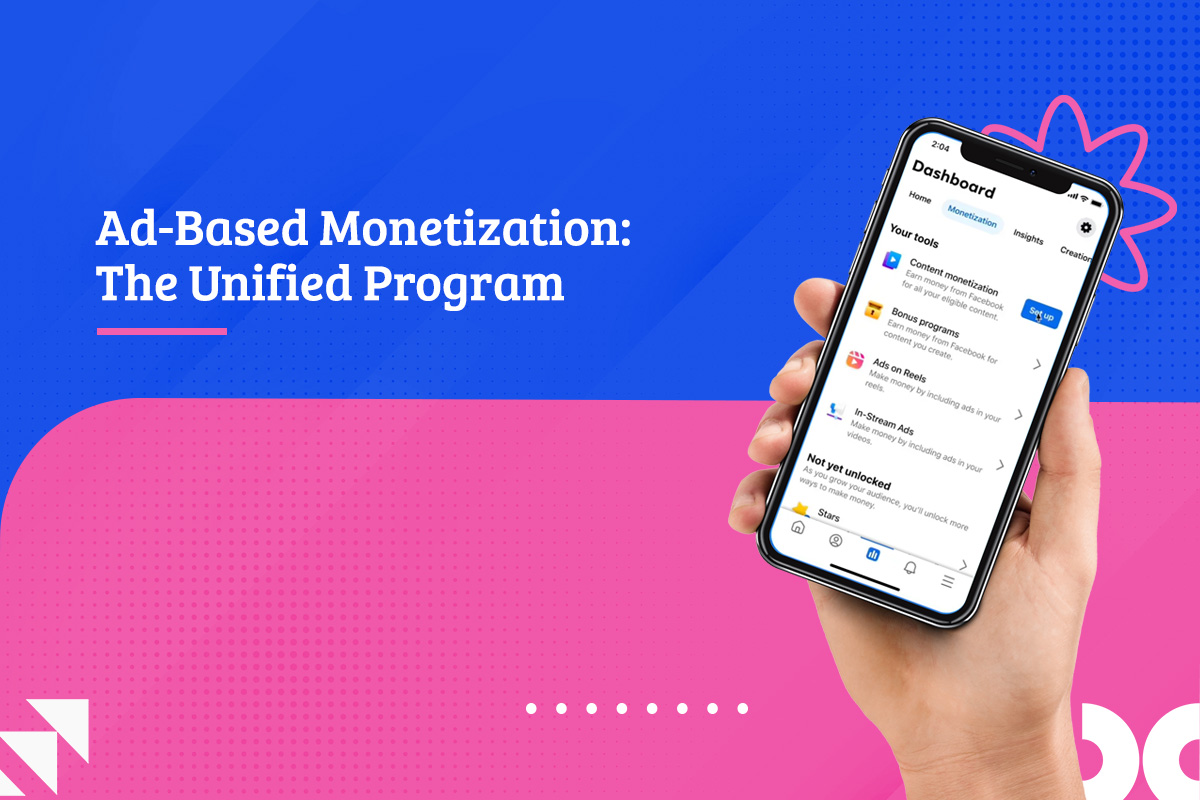
In 2026, ad-based Facebook monetization works very differently from before. Older systems like Facebook Ad Breaks and separate ads on Reels have been folded into a single, unified model. When creators monetize Facebook page content today, they are part of one performance-based payout system rather than multiple ad programs.
Under the unified model, in-stream ads on Facebook still exist, but payouts are no longer based purely on ad impressions. Instead, Facebook evaluates content quality and viewer behavior across formats, including long-form videos and Reels.
Creators earn money from Facebook based on qualified views, which typically means viewers who watch with real intent, usually for at least a few seconds. Facebook also considers engagement velocity, such as how quickly people comment, react, or share after viewing.
Ad-based Facebook monetization now rewards content that holds attention and sparks interaction. A video with fewer views but stronger engagement can earn more than a high-view video that viewers quickly scroll past. This encourages creators to focus on clarity, storytelling, and relevance rather than chasing clicks.
One major change is automation. Creators no longer need to manually place ads. Once eligible, Facebook decides whether a viewer sees a pre-roll ad on a long video or a light weight ad overlay on a Reel. This flexibility allows creators to earn without adjusting their content format for ads.
For creators looking to make money on Facebook through ads, the unified program favors consistent performance over one-off viral hits. High-quality content now matters more than ever.
Ad-based Facebook monetization is passive. Fan-based monetization is intentional. These tools allow creators to make money on Facebook by building a community that actively supports their work.
Instead of relying on views alone, fan-based options reward trust, consistency, and connection. For many creators, this becomes one of the most stable parts of Facebook page monetization.
The Facebook Stars program allows fans to purchase Stars and send them directly to creators as a form of support. In 2026, Stars are no longer limited to Live videos. Fans can now send Stars on Reels, photos, and even text-based posts, making this one of the most flexible Facebook monetization tools.
Creators earn $0.01 for every Star received, and payouts are tied directly to audience participation rather than ad performance. This makes Stars especially useful for creators with smaller but highly engaged communities.
Successful creators treat Stars as interactive, not transactional. Calling out top supporters during Live sessions, highlighting contributors in comments, or setting small engagement goals encourages fans to participate more often.
Facebook fan subscriptions offer recurring income instead of one-time support. Creators charge a monthly fee, usually between $4.99 and $19.99, in exchange for exclusive content, a supporter badge, and access to private groups or discussions.
Pro Tip: In 2026, Meta encourages “Subscriber-Only Reels,” which are a massive draw for growing your paid base.
Partner-based monetization sits at the intersection of trust and reach. Instead of earning from views alone, creators make money by working directly with brands that want access to their audience. In 2026, this has become a core part of Facebook monetization for many creators.
The older Brand Collabs Manager has now been fully replaced by the Meta Creator Marketplace, which acts as the main hub for brand collaborations on Facebook.
Brands no longer search only by follower count. In the Meta Creator Marketplace, discovery is driven by niche relevance and audience sentiment. This means brands look at how your audience reacts to your content, not just how many people follow you.
Creators who consistently post original content and maintain strong engagement are more likely to appear in searches, even if their page is not the largest in their category.
One of the most popular formats in 2026 is Partnership Ads. In this setup, a brand takes one of your organic posts and turns it into a paid ad. You are paid for allowing the brand to use your content and likeness to reach their target audience.
This model works well because creators do not need to change how they post. High-performing content becomes an asset that brands can scale, while creators earn without relying on ad payouts or audience size alone.
To stay visible to US brands, creators must keep an active Creator Portfolio inside the Professional Dashboard. This portfolio acts as your public profile for partnerships and shows your content style, niche focus, and engagement quality.
For creators who want to monetize Facebook page content beyond ads and fan support, brand collaborations offer a strong way to earn money on Facebook while staying aligned with their audience.
Facebook affiliate marketing is often the highest-earning Type for niche creators. Unlike ads, income here is not tied to views alone. It is tied to intent. When your audience trusts your recommendations, conversions follow.
This type of monetization works especially well for creators who review products, teach skills, or regularly answer buying-related questions.
Affiliate marketing on Facebook usually starts with tracked links. Creators share affiliate links inside video descriptions, pinned comments, or through a link-in-bio setup. When a follower clicks and makes a purchase, the creator earns a commission. This method fits naturally into product reviews, tutorials, or comparison content. Because the audience is already looking for guidance, affiliate links feel helpful rather than promotional.
Facebook has also made it easier to sell products directly on the platform. With Facebook Shops, creators can tag products inside Reels and other posts. When viewers click and buy, creators either earn a commission or keep the profit if they are selling their own merchandise.
This works well for creators offering branded products, digital downloads, or print-on-demand items through fulfillment partners. Product tagging shortens the path from content to purchase, which improves conversion and supports Facebook monetization across short-form content.
In a 2026 creator economy, relying on a single platform is risky. Algorithms change, payouts fluctuate, and even strong Facebook monetization can slow down without warning. This is where diversification becomes essential.
artha.link gives creators a way to make money on Facebook without depending on ads, reach, or platform performance. It works alongside existing Facebook monetization types instead of replacing them.
artha.link helps creators earn by doing something they already do every day: guiding their audience toward better career opportunities. Across industries, creators teach skills, explain career paths, and answer constant questions about jobs and referrals. People trust this guidance more than traditional job boards, and they act on it. Until now, that influence was never monetized.
Creators launch a personalized link that shows jobs relevant to their audience. When followers apply through that link, the creator earns referral income. Earnings are not tied to ads, views, or platform algorithms or hiring. They are based on real applications.
The setup is simple. Creators share their artha.link in a Facebook bio, post description, or Reel. Job listings are refreshed automatically, and creators get paid when their audience applies.
Facebook page monetization has never been simpler to manage, but the competition for Qualified Views has never been higher. To succeed, you must embrace the Unified Content Monetization model while protecting yourself with external tools like Facebook affiliate marketing and artha.link.
Test different content styles, Reels for reach, Long-form for depth, and see which “Type” your audience responds to best.
Next Step: Don’t wait for the algorithm to decide your paycheck. Turn your influence into a professional revenue engine by launching your own branded artha.link.