

Okay so here's a fun fact that ruins everyone's day the first time they hear it.

Your engagement rate is 8%. Brands would kill for that. But they don’t know you exist because you’re not in their inbox. If you’re waiting for a specific number in your bio to give you permission to make money, you’re leaving bags on the table.


In 2026, brands aren’t looking for billboards; they’re looking for main characters with a community that actually listens. Whether you have 1,500 followers or 50k, if your engagement is hitting and your vibe is curated, you’re already a business, you just haven’t sent the invoice yet.
Let’s get into how you turn those “omg where did you get that?” comments into actual bank deposits.
Let’s be real: creating high-quality content is a full-time job’s worth of effort. Monetizing isn’t “selling out”; it’s getting an ROI on your creativity.
Waiting for a viral moment to start charging is like waiting to win the lottery before looking for a job. Your influence has value today because you have the one thing brands can’t buy with traditional ads: Trust. When you talk, people actually stay on the slide. That’s a service, and it’s time to price it like one.
If you think you need 100k followers to land a deal, the industry is laughing (nicely). In 2026, follower count is a vanity metric. Brands have realized that “Mega-Influencers” often have ghost audiences. Now, the “gate” isn’t a number; it’s authority. Brands are looking for creators who own a specific corner of the internet.
Being “small” is actually your biggest flex. Why? Because you’re relatable. You actually reply to your DMs. When you recommend a concealer, your followers don’t think “She’s being paid a million dollars to say that”—they think, “I need that.”
To be clear,
Difference Between Micro- and Macro-Influencers
| Aspect | Micro-Influencers | Macro-Influencers |
| Follower Range | 1,000 – 10,000 (up to 100K in some niches) | 100K+ |
| Typical Cost per Post | $100 – $500 | $5,000+ |
| Engagement Style | Highly personal; creators often reply to DMs and comments | Broad reach; limited one-to-one interaction |
| ROI Potential | High — cost-efficient with strong trust and action | Depends on scale; higher spend, mixed returns |
Translation:
Micro-influencers move people.
Macro-influencers move numbers.
Brands that care about conversions know the difference.
Engagement Rate
Your Real Currency: Stop looking at your follower count and start looking at your “Saves” and “Shares.” That’s where the money is.
The Math:
Engagement Rate (%) = (Likes + Comments + Saves + Shares) ÷ Followers × 100
The Goal
If you’re hitting 3-5%, you’re doing great. If you’re at 7%+, you are a brand’s dream. Brands calculate ROI based on how many people actioned the post, not just how many scrolled past it.
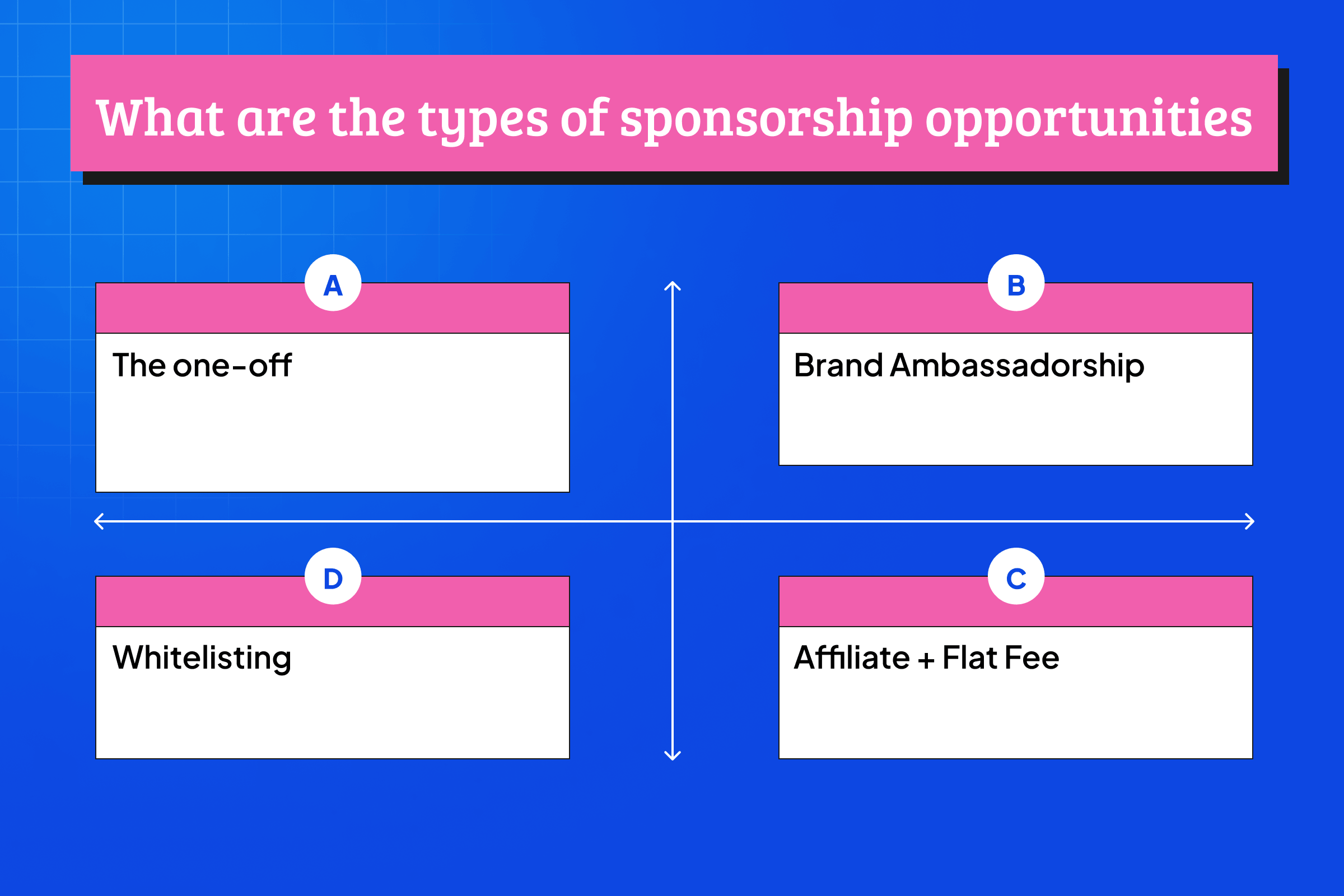
Before you pitch, know what’s on the menu:
The One-Off
A single Reel or Story set. Great for testing the waters. It’s often where brands start when they’re testing new creators — and where you can prove you’re easy to work with.
Brand Ambassadorship
You work with the same brand over a few months, become a familiar face to their audience, and get paid on a recurring basis. Less chasing, more stability.
Affiliate + Flat Fee
A mix of guaranteed money and performance upside. You get paid to post, and you also earn a commission when your audience buys. This works well when your followers already trust your recommendations.
Whitelisting
Here, the brand runs ads using your content. Your post gets extra reach, the brand gets conversions, and you should charge more because your content is doing double duty.
Once you know what kind of partnership a brand is offering, you’re in a much better position to price it properly.
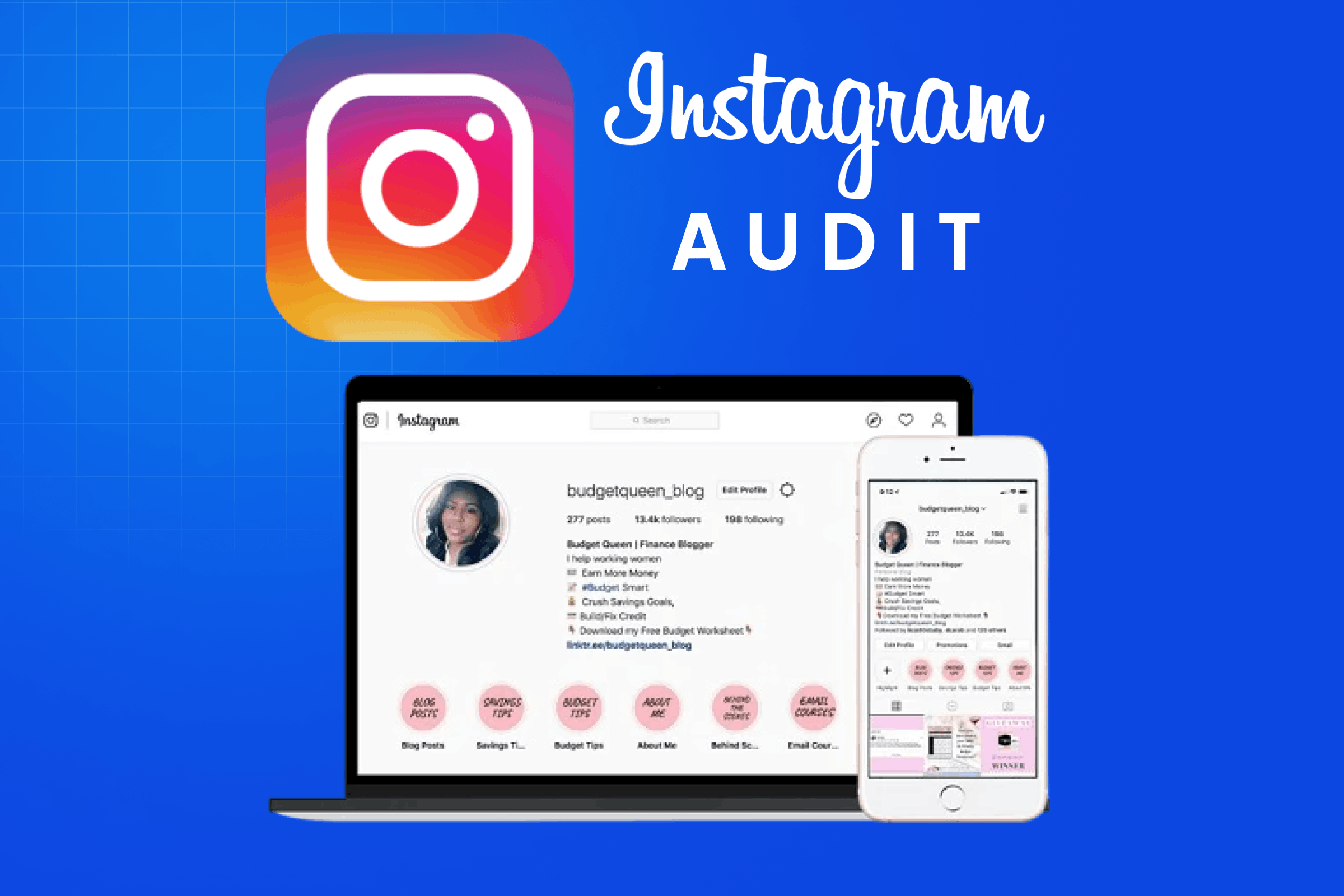
Step 1: The Shop Window
Audit your bio. It should say exactly what you do and who you do it for. Think of your Instagram profile like a storefront.
If a brand clicks your profile, they should understand what you do and who you do it for in under five seconds.
Start with your bio
Next, your pinned posts
Bonus move
Step 2: Inbound Strategy (Let Brands Come to You)
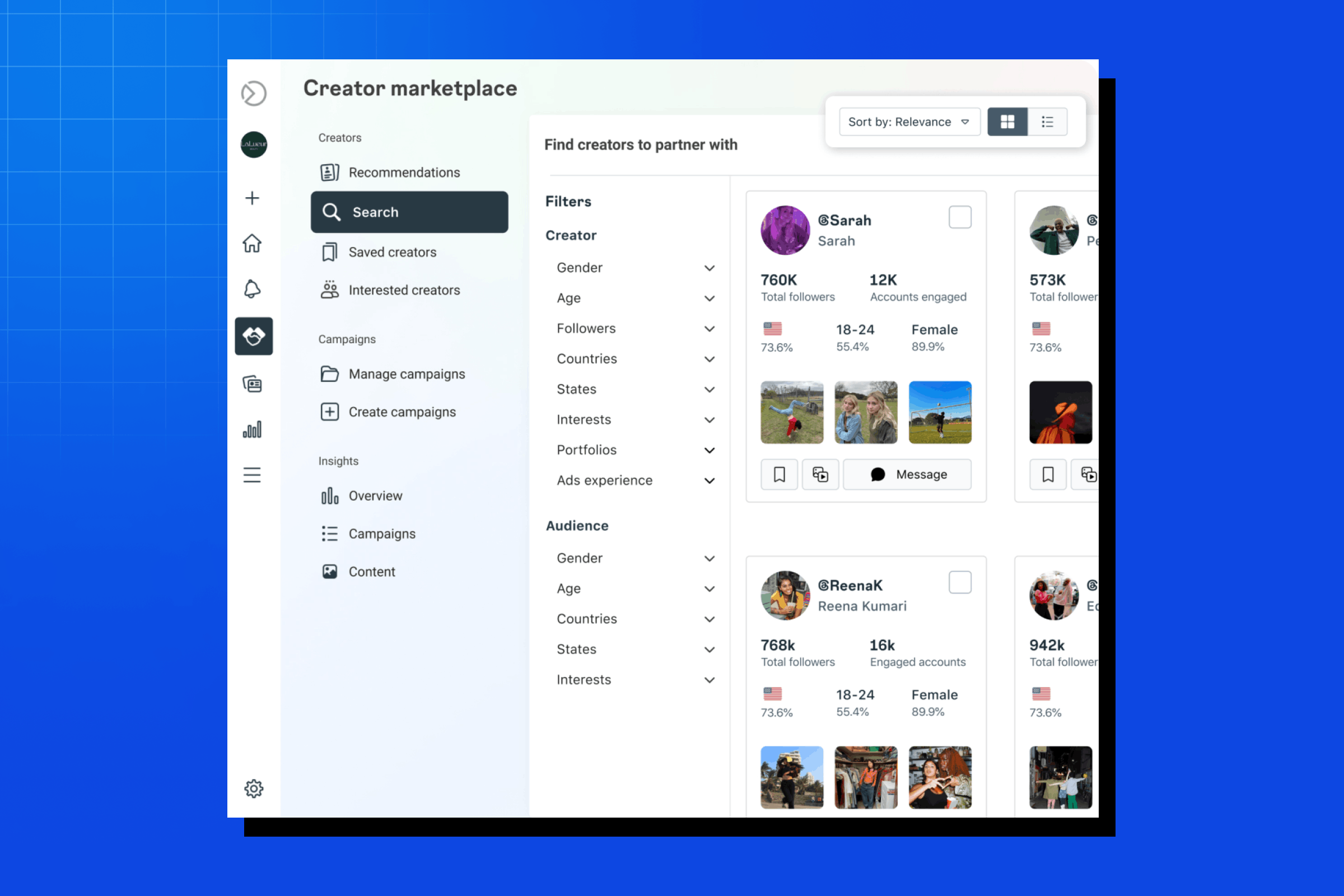
Inbound brand deals happen when brands can find you easily. The most underused tool here is the Instagram Creator Marketplace.
Set it up properly
This tells brands:
I’m open to collaborations and I know what I bring to the table.
Also helps
Inbound deals won’t be daily at first, but once they start, they compound.
Step 3: Outbound Strategy (The Pitch That Actually Works)
This is where creators get nervous. It doesn’t need to be complicated.
First, find the right contact
Now the pitch rule that changes everything
A good pitch includes
Example structure
“I create short-form skincare content for oily skin audiences. I’ve been using your vitamin C serum for weeks and loved how it layered under sunscreen. I’d love to create a Reel showing a simple AM routine featuring it.”
That’s it.
Step 4: Follow-Up (Where Most Deals Are Won)
If they don’t reply, it doesn’t mean no.
It usually means busy.
Follow up after 5–7 days with:
“Just bumping this in case it got buried. Would love to explore this if it’s a fit.”
That one sentence alone has unlocked more deals than most cold pitches ever will.
Tools That Make This Easier
| Purpose | Tool | What It’s Good For |
| Media Kits & Pitching | Canva Notion Google Docs |
Create clean, professional media kits without design stress Track pitches, follow-ups, brand responses, and deal terms Reusable pitch templates you can tweak in minutes |
| Finding Brand Deals | Instagram Creator Marketplace Aspire.io Upfluence Modash |
Get discovered by brands looking for creators like you Creator–brand matchmaking for paid collaborations Used by agencies and brands to source creators Great for niche creators and smaller audiences |
| Tracking Performance | Instagram Insights | Track saves, shares, profile visits, and reach |
| Monetization Beyond Brand Deals | artha.link | One link in bio that earns when your audience clicks or applies for relevant jobs — even when brands are quiet |
Don’t say yes just because there’s a check attached.
Stop asking What should I charge? and start using a formula.
Negotiation isn’t a confrontation; it’s a conversation. If they say the price is too high, don’t just drop your rate—drop the deliverables.
Brand: “We only have $500.”
You: I can’t do a Reel for $500, but I can do a high-engagement Story set with a link sticker. Always leave them a “counter” that protects your time and value.
The Not Enough Counter: I’d love to work together, but my rate for a Reel reflects the 5+ hours of production and the 7% engagement rate my audience provides. Can we meet at (say your price) or adjust the deliverables?
The Free Product Reject: Thanks for the offer! I love the product, but at this stage, I’m only taking on paid partnerships to ensure I can give the content the production quality it deserves. Do you have a budget for a dedicated post?
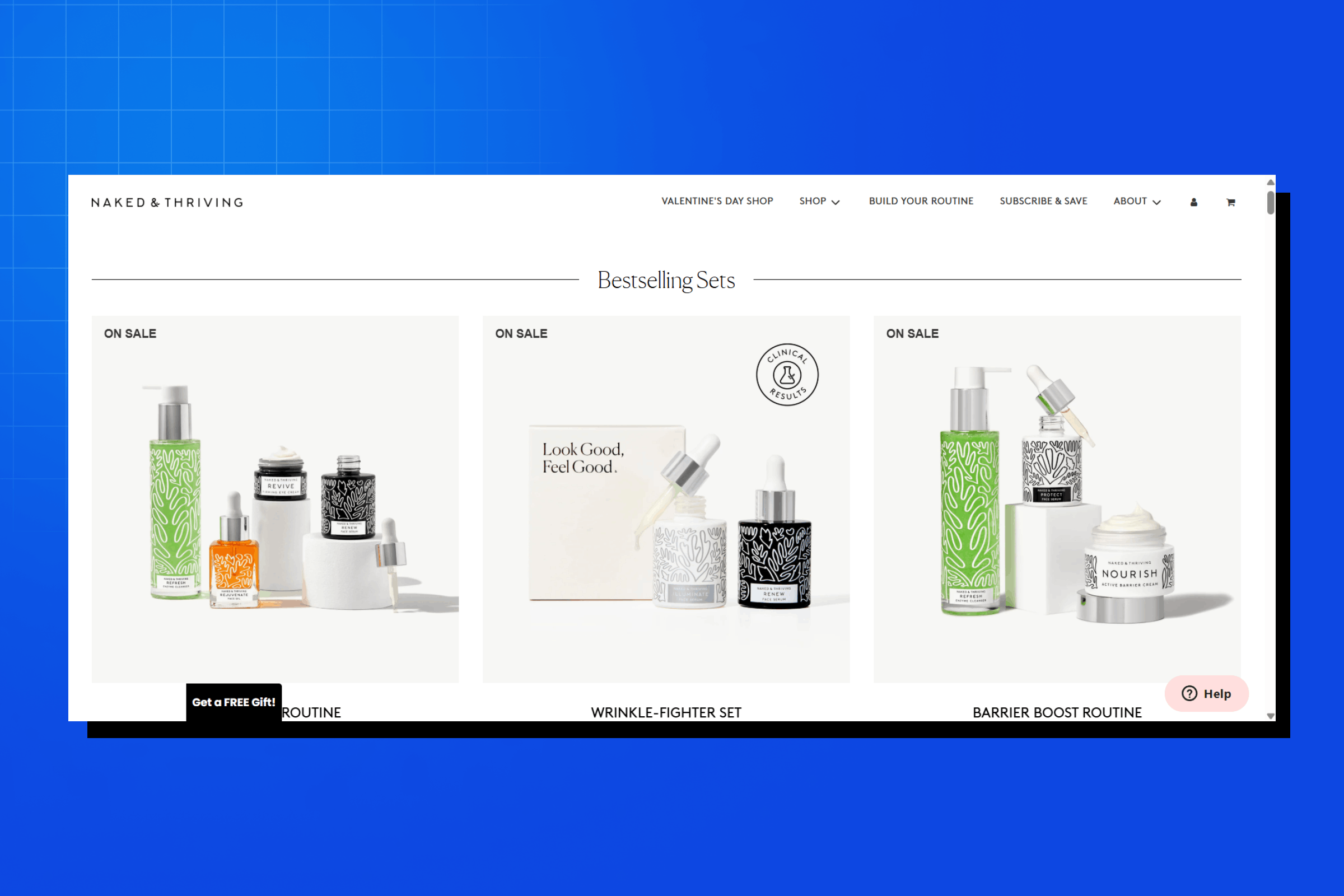
The Challenge
Naked & Thriving were pros at big-budget commercial marketing, but they had a blind spot: Authentic Connection. They knew they were sitting on a goldmine of potential with influencer and ambassador marketing, but they faced three major roadblocks:
The Strategy
Instead of trying to DIY a strategy with no map, Naked & Thriving partnered with a team that combined a high-tech platform with human social media experts.
The goal? Stop acting like a corporation and start acting like a community. They focused on:
The Results
By leaning into the power of the “small” creator, the brand didn’t just see growth—they saw an explosion.
Landing brand deals isn’t about being “lucky” or “getting picked” by the algorithm. It’s about building a system. Treat your Instagram like a business, provide actual value to your community, and approach brands with the confidence of someone who knows their worth. The bag is waiting—go get it.